
Field guide · 6 surfaces
Know the surface before you touch it
Most damage on a cleaning job happens in the first five minutes, when the surface is misread and the wrong chemistry goes down. These are the checks technicians use to identify what is in front of them, the faults that follow a wrong call, and the course that covers each surface properly.
Before any test
Four rules
- R1Hidden spot or offcut, always. Inside a cupboard, under furniture, behind a door. Never the middle of the floor.
- R2Tell the client first. Say what you are testing and why, especially before a burn test or an acid test.
- R3Record what you find. Photograph existing damage and note the result before any cleaning starts.
- R4Unclear means mildest. If a result is uncertain, choose the mildest method, or decline the job.
Surface · 01
Carpet
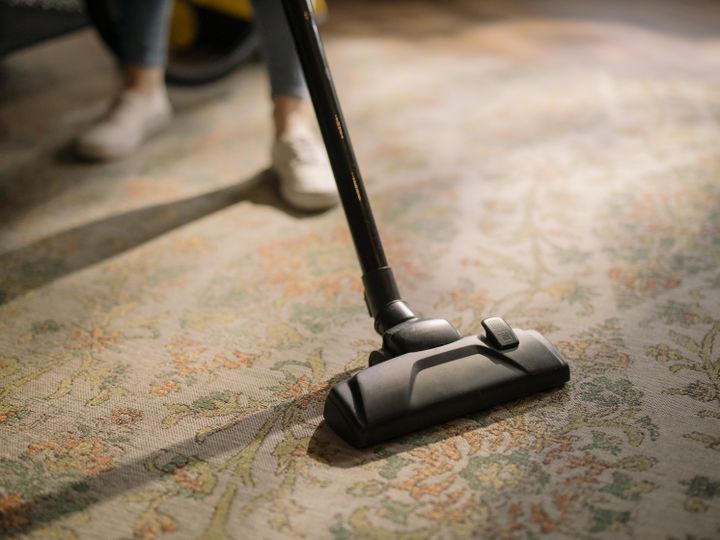
Wool, nylon, polypropylene and polyester can look identical in a living room and need different chemistry. The backing matters as much as the pile.
A Identify it
- Test ARead the back
Lift a corner inside a cupboard or behind a door. A tufted carpet has a second backing glued on, jute or woven polypropylene. A woven Axminster or Wilton has the pile woven through the backing, often with jute or cotton yarns. Jute and cotton are the backings that shrink and brown.
- Test BBurn test
Snip a few tufts from a hidden spot and hold them in tweezers over a metal dish, away from the room. Wool burns slowly, puts itself out, smells of burnt hair and leaves a black ash you can crush. Nylon melts and drips and leaves a hard bead. Polypropylene melts with a waxy, candle-like smell. Polyester melts with black, sooty smoke.
- Test CBleach test
Leave a few fibres in household chlorine bleach. Wool and other animal fibres dissolve within a few hours; nylon, polypropylene and polyester do not. Useful when a blend gives a confusing burn test.
- Test DOffcuts and labels
Offcuts in the loft or a label under a rug are worth checking, but they describe the carpet as sold, not the patch fitted since. Confirm with a test.
B What usually goes wrong
- Shrinkage A woven wool carpet with a jute or cotton backing is overwetted. The backing yarns tighten as they dry and the carpet pulls off the gripper.
- Browning Water carries brown residues up from a jute backing to the tips of the pile as it dries. Too much water and a high-pH solution make it far more likely.
- Wick-back A spot that looked gone reappears overnight: soil or residue deep in the pile or backing rises to the tips as the carpet dries from the top.
- Fast re-soiling Detergent left in the pile stays sticky and traffic lanes go grey again within weeks. The rinse and extraction matter as much as the pre-spray.
- Harsh or faded wool Strong alkaline pre-sprays can strip colour from wool and leave it harsh. Wool needs its own wool-safe product.
Surface · 02
Upholstery & leather
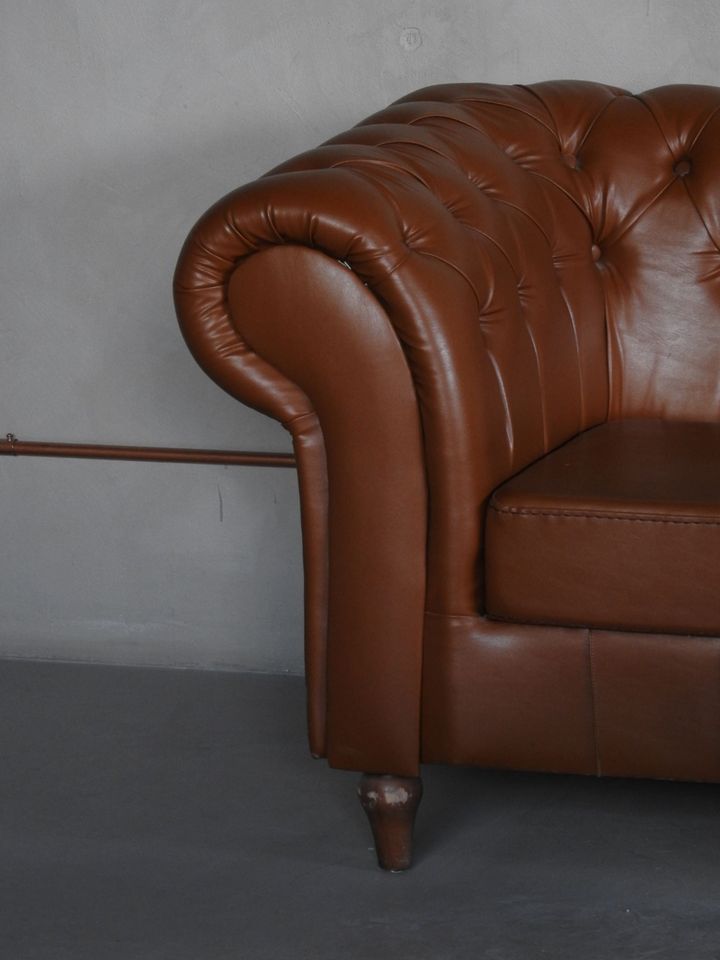
Sofas and chairs combine fibres, dyes, foams and finishes in one piece. Leather ranges from coated and forgiving to barely protected and easily marked.
A Identify it
- Test ACleaning code
Look under the seat cushions or on the deck for a code: W (water-based cleaning), S (solvent only), W/S (either) or X (vacuum only). Not every piece carries one and labels can be wrong, so treat it as a starting point.
- Test BColour-fastness
Press a white towel dampened with your cleaning solution onto a hidden area for about a minute. Any colour on the towel means the dye will move during cleaning.
- Test CWater drop test (leather)
Put one drop of water on a hidden part, such as the back or under a cushion. If it darkens and soaks in within seconds, the leather is absorbent (aniline or nubuck) and wet cleaning is a risk. If it sits as a bead, the leather is pigmented and takes careful cleaning.
- Test DNap and finish
Nubuck and suede have a brushed nap that changes shade when you run a finger across it. Pigmented leather has an even colour under a surface coat; aniline shows the natural grain, pores and marks through a transparent dye.
B What usually goes wrong
- Water rings Viscose, silk and some cotton blends mark with water. They need low-moisture methods, or no water at all.
- Dye bleed Colours run into each other or into the filling. The colour-fastness test finds it before the client does.
- Damp cushions Overwetted foam stays damp for days and starts to smell. Low moisture and good airflow matter more than a hot machine.
- Dark patches on leather Water or an alkaline cleaner on aniline leather leaves marks; solvents can strip the finish from pigmented leather.
- Crushed pile Brushing chenille or velvet against the pile, or wetting it heavily, leaves shading that does not come out.
Surface · 03
Tile & grout
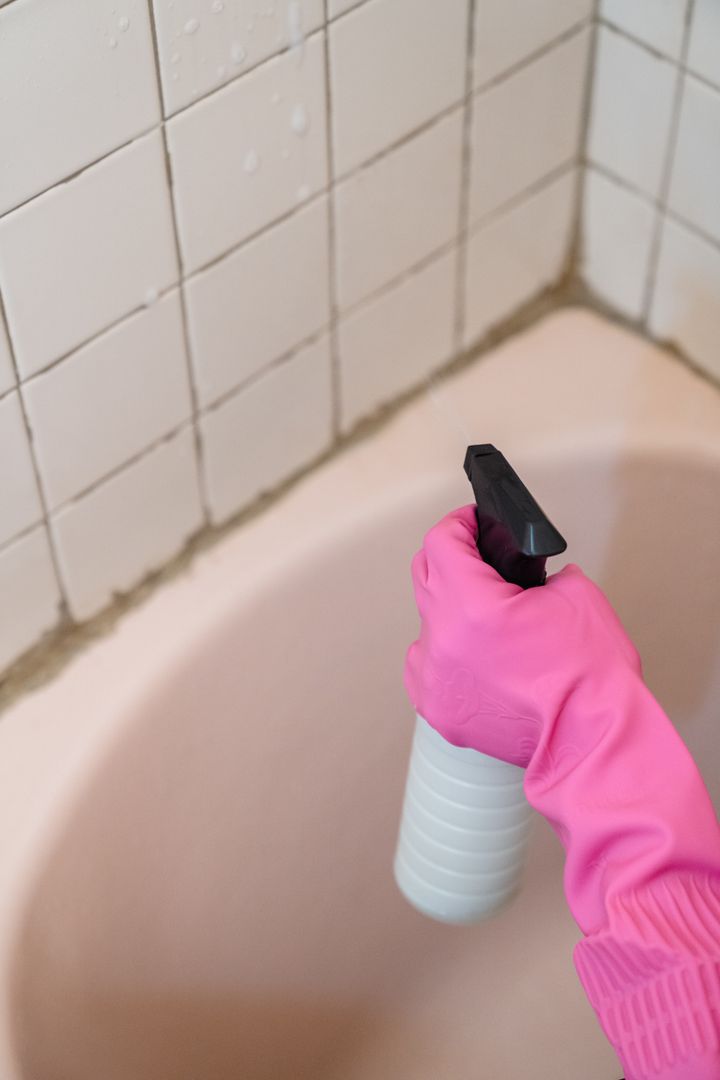
Glazed tile shrugs off most chemistry; cement grout does not. Clean one without damaging the other.
A Identify it
- Test AWater drop test
Put a few drops of water on the tile and on the grout. Glazed ceramic and porcelain stay beaded; unglazed quarry, terracotta and encaustic tiles darken as they absorb it. Unsealed cement grout darkens within seconds.
- Test BChipped or cut edge
Check a cut edge at the bath, a doorway or behind a kickboard. Through-body porcelain is the same colour right through; glazed ceramic shows a red or white clay body under a thin glaze.
- Test CCement or epoxy grout
Cement grout is sandy, matt and absorbs water. Epoxy grout is smooth, slightly glossy and does not absorb; it cleans differently and does not need sealing.
- Test DIs it really tile?
Plenty of tiled-looking hallways and bathrooms are marble, limestone or travertine. Before any acid cleaner goes down, run the acid-sensitivity test from the stone section on a hidden spot.
B What usually goes wrong
- Grout eaten back Acid cleaners dissolve cement grout. Used again and again, they leave the joints low, sandy and harder to keep clean.
- Etched glaze Cleaners containing fluoride compounds, such as ammonium bifluoride, etch glazed tile and glass.
- Haze Cement film left from installation, or cleaner left to dry on the surface. They come off differently, so find out which one it is first.
- Peeling sealer A topical sealer on non-porous tile sits on top, peels, and can make a floor slippery.
- White bloom Salts carried to the surface of quarry and terracotta tiles after heavy wetting (efflorescence).
Surface · 04
Marble & stone
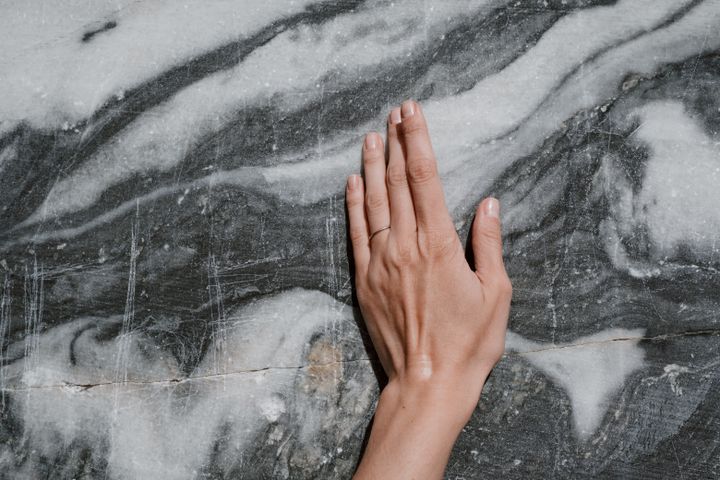
The first question on any stone floor is whether acid attacks it. Everything else, cleaning, honing, polishing and sealing, follows from that answer.
A Identify it
- Test AAcid-sensitivity test (hidden spot only)
Somewhere nobody will see, inside a cupboard, where an appliance stands or on an offcut, put a drop of a mild acid such as white vinegar or lemon juice. Calcareous stone (marble, limestone, travertine) fizzes or leaves a dull etch mark when wiped. Siliceous stone (granite, quartzite, most slate) does not. Rinse straight away. Some dolomitic marbles react only weakly, so look closely. The test marks calcareous stone, which is why it is only done where it cannot be seen.
- Test BScratch test (hidden spot)
A steel blade scratches marble and limestone easily and barely marks granite.
- Test CRead the surface
Travertine has holes and voids, usually filled. Limestone is often matt and may show shells or fossils. Granite shows interlocking crystals. Engineered quartz has an even, repeating pattern and is bound with resin: it is not natural stone, and heat, strong solvents and high-pH cleaners harm the resin.
- Test DLook along the floor
Crouch and look across the floor towards a window. Etch marks, dull traffic lanes, scratches and lippage (edges standing proud of the next tile) show against the light. Photograph them before you quote.
B What usually goes wrong
- Etch marks Dull rings and patches left by acid: cleaners, wine, fruit juice. They are damage to the surface, not stains, and need honing rather than cleaning.
- Vinegar cleaning Home remedies and many bathroom cleaners are acidic. On marble they etch every time.
- Skipped grits Jumping steps in the honing sequence leaves scratches from the coarser pad that show once the floor is polished.
- Dried slurry Honing slurry left to dry in grout, on skirting and in doorways is hard to remove and stains.
- Wrong finish Crystallisation works only on calcareous stone and, overdone, leaves a patchy surface. Topical coatings scratch and wear in traffic lanes; an impregnating sealer goes into the stone instead.
Surface · 05
Wood, vinyl & laminate
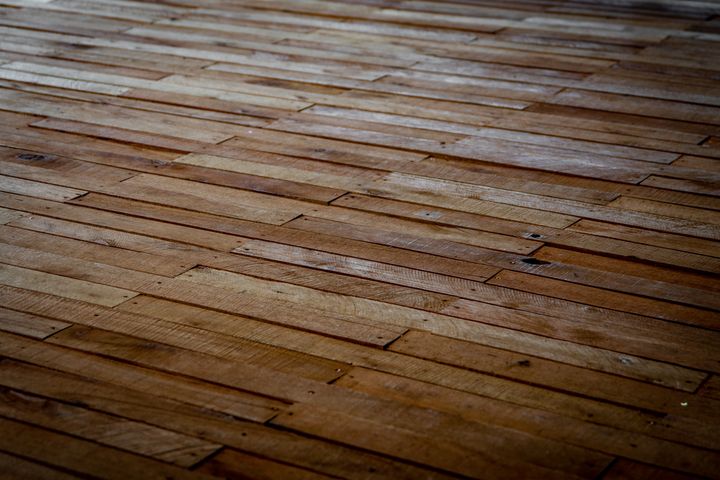
From the doorway these floors look alike. They react completely differently to water, heat and machines.
A Identify it
- Test ALook at an edge
Find a threshold strip, a radiator-pipe cut-out or the end under a door bar. Solid wood is wood all the way through. Engineered wood has a wood top layer over plywood or fibreboard. Laminate is a printed photographic layer over a fibreboard core. Vinyl and LVT are plastic through the section and flex.
- Test BFollow the pattern
On laminate and LVT the same knots and grain repeat every few boards. Real wood never repeats exactly.
- Test CWater drop on a worn area
Near a doorway where the finish is worn, a drop of water beads on lacquer; on oiled or bare wood it darkens the wood as it soaks in. That tells you whether there is a surface film or an oil finish, and so how to clean and maintain it.
- Test DFeel and sound
Vinyl and LVT feel softer and warmer underfoot. Laminate is hard and sounds hollow when tapped.
B What usually goes wrong
- Swollen joints Water left standing on laminate or engineered wood soaks into the fibreboard; the edges swell and lift and cannot be restored.
- Cupping and gaps Too much water on wood, or wet cleaning too often, makes boards cup and then shrink back with gaps.
- Steam mops They push hot moisture into the joints. Many laminate and LVT manufacturers rule them out in their care guidance.
- Damaged wear layer Many LVT floors have a factory polyurethane wear layer that an aggressive stripper or pad will damage.
- Polish build-up Coat on coat of polish on vinyl without stripping yellows and traps dirt along the edges.
Surface · 06
Stains
A stain is a surface problem you identify by what it is, when it happened and what has already been put on it.
A Identify it
- Test AThree questions
What was it, when did it happen, and what has been put on it since? Washing-up liquid, vinegar, bicarbonate or a shop carpet shampoo change what you are dealing with.
- Test BWhite towel blot
Press a damp white towel onto the edge of the stain. If colour moves, the stain is still loose; if nothing moves, it has bonded to or dyed the fibre and needs a different agent.
- Test CShape and place
Round drips by the sofa are drinks. A trail across the room is footwear. Spots by a bed or a pet’s favourite place point to urine or vomit. Grey traffic lanes are oily soil, not a stain.
- Test DUV torch
Many dried urine deposits glow under an ultraviolet torch in a darkened room, which finds spots you cannot see in daylight.
- Test EPut it in a group
Water-based, oil-based, protein (blood, milk, egg), tannin (tea, coffee, wine) or dye (cordials, cola, food colouring). The group decides the agent and the order you work in.
B What usually goes wrong
- Rubbing Spreads the stain and untwists or fuzzes the pile. Blot and tamp instead.
- Hot water on protein Heat sets blood, milk and egg into the fibre.
- Alkali on tannin High-pH cleaners can set tea, coffee and wine stains and make them darker.
- Chlorine bleach Dissolves wool and strips dye from most carpets and fabrics, leaving a pale patch in place of a dark one.
- Overwetting and residue Too much liquid wicks the stain back up from the backing; spotter left in the pile attracts soil and the spot returns darker.
Quick lookup
Surface, first test, course
| Surface | First test | Course | Lessons | Price |
|---|---|---|---|---|
| 01 Carpet | Read the back | Carpet & Upholstery Cleaning: The Complete Method | 6 hours | £745 |
| 02 Upholstery & leather | Cleaning code | Leather, Mattress & Delicate Fabric Cleaning | 3.2 hours | £565 |
| 03 Tile & grout | Water drop test | Tile, Grout & Hard Surface Deep Cleaning | 4.7 hours | £615 |
| 04 Marble & stone | Acid-sensitivity test (hidden spot only) | Marble & Natural Stone Restoration | 6.4 hours | £1,375 |
| 05 Wood, vinyl & laminate | Look at an edge | Hard Floor Care: Vinyl, LVT, Wood & Laminate | 3.8 hours | £685 |
| 06 Stains | Three questions | Stain Removal & Spotting Chemistry | 4.3 hours | £525 |
Several surfaces on the same jobs? See the pathways or build a plan.